
AI-Powered Test Automation: What Actually Changes for QA Teams
How AI-assisted authoring, self-healing locators and risk-based execution change day-to-day QA work, and where human judgement still matters.
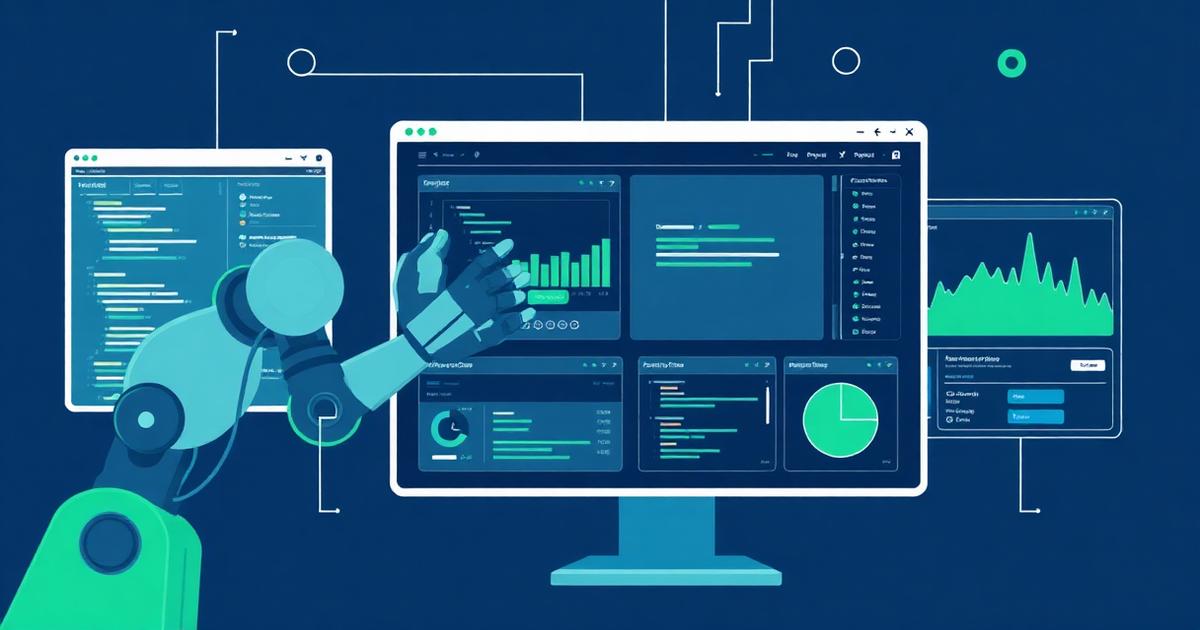
Most QA teams do not struggle to write tests. They struggle to keep them alive. A suite that took months to build starts failing after a routine UI refactor, and the team spends more time repairing selectors than testing the product. AI-powered test automation targets that maintenance tax first.
The first change is authoring. Instead of hand-coding every step, testers describe a journey in plain language or record it once, and the platform generates a structured, reusable test. That lowers the barrier for manual testers and business analysts who understand the product deeply but do not write code.
The second change is resilience. Self-healing locators track multiple attributes for each element, so when a developer renames a class or moves a button, the test re-anchors instead of failing. Teams see far fewer false failures, which restores trust in the pipeline. A red build starts meaning something again.
The third change is prioritisation. When every commit cannot run the full suite, risk-based selection uses code change data and historical failure patterns to pick the tests most likely to catch a defect. Short feedback in the pull request, full regression overnight.
What does not change is judgement. AI will not decide what quality means for your business, which regulatory checks are mandatory, or what an acceptable performance budget is. Treat the platform as leverage on execution and maintenance, and keep humans on strategy, exploratory testing and acceptance criteria.
If you are evaluating a move, start narrow. Pick one high-value regression suite, migrate it, and measure three numbers over a quarter: maintenance hours per sprint, mean time to feedback, and escaped defects. Those tell you whether the automation is paying for itself.
Related articles

Canadian Tech Market Analysis & IT Solutions for Growth
Dive into a comprehensive Canadian tech market analysis, exploring key growth drivers, emerging sectors, and the strategic importance of robust Canadian IT solutions. This post offers insights for startup founders and technology leaders navigating Canada's dynamic innovation landscape.

Omar Haddad
Test Automation Architect

Unpacking Leading Canadian Tech Companies & Job Opportunities
Discover the vibrant landscape of leading Canadian tech companies and the dynamic opportunities within Canadian tech jobs, perfect for startup founders, tech leaders, and professionals.
Omar Haddad
Test Automation Architect

When Test Automation as a Service Beats Hiring In-House
A practical comparison of building an internal automation team versus a managed TaaS engagement, including cost, ramp time and risk.
Intelion Solutions